
How Concord-Carlisle Regional High School Built a Healthier, More Engaged School Community
Concord-Carlisle Regional High School (CCHS) has worked with Challenge Success to take an honest look at student well-being and make sustained, meaningful changes over time, prioritizing student voice, equity, and a shift away from a culture driven by grades and stress. From 2016-2026, CCHS utilized the Challenge Success School Change Process to infuse well-being, engagement, and belonging into their school culture, contributing to meaningful improvements for students.
What the Data Showed in 2016
When CCHS first surveyed students in 2016, the results painted a clear picture of a high-achieving, highly stressed school community. Students were working hard, but at a significant cost:
However, the 2016 survey didn’t just reveal areas of concern: it also revealed solutions. When asked what changes would make the most difference, students were clear:
CCHS listened, and worked with Challenge Success over many years to implement changes, check for results, and sustain improvements to student well-being, engagement, and belonging.
Changes Made to Improve Student Well-Being, Engagement, and Belonging
In Phase 2, the team is charged with co-designing change ideas with specific goals aligned with their vision. This process involves brainstorming, creative ideation, consulting with their coach, using practices from the SPACE Framework for School Change™, and collaborating to create an action plan. Teams then put the plan into action by implementing change ideas, monitoring and assessing the progress as they move through Cycles of Inquiry. With data in hand, well-being, engagement, and belonging became the anchors for everything that followed.
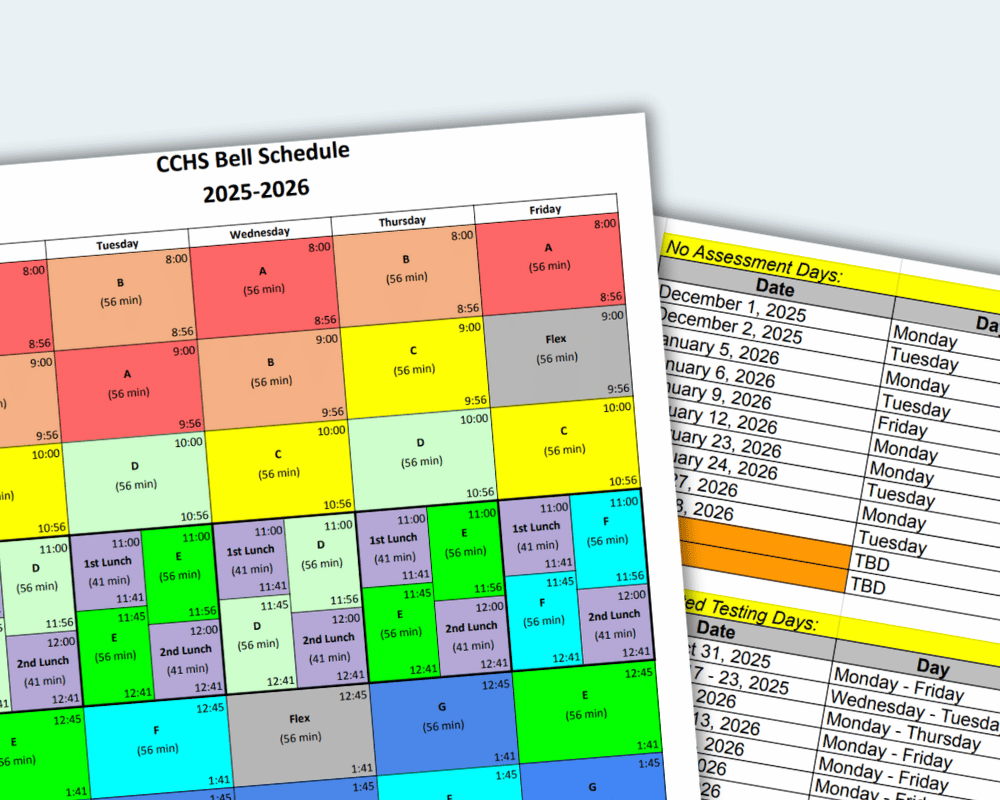
“These flex blocks have been something that students have really enjoyed having and they have expressed that they really have helped them to manage their time and their work load.”

“Each month we have a no homework weekend that usually coincides with a vacation or three-day weekend. That came out of our partnership with Challenge Success. The kids love no homework weekends! And typically there are no tests or assignments until the Wednesday following a longer break.”


“You have 200 adults who show up every day to try to make the lives of their students as good as they can. We really care that they are happy and that they not only thrive academically, but socially as well. Their journey is more than just the content or the skills or getting into college, or great AP scores. or MCAS scores, or their final exams. We think about them as the whole person.”

Progress Over Time
Comparing survey data across three points in time (2016, 2021, 2025), CCHS has made meaningful, sustained progress across multiple dimensions of student experience:
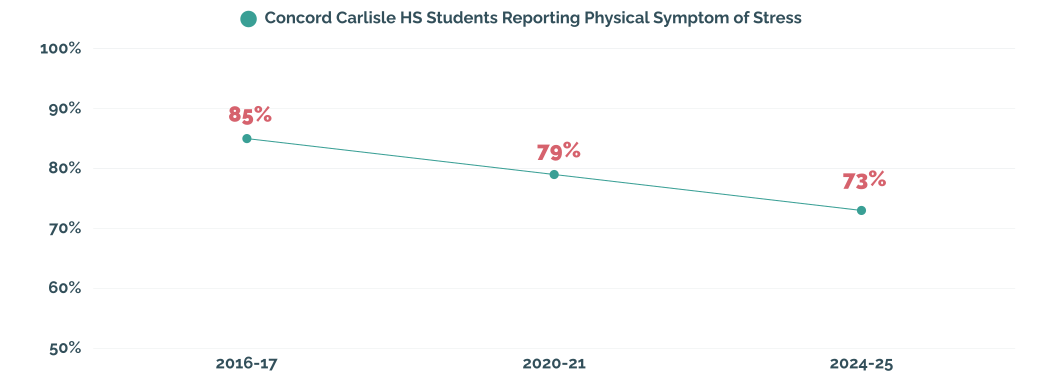
Decreased Physical Symptoms of Stress
Students reporting one or more physical symptoms of stress decreased from 85% in 2016-17 to 73% in 2024-25.
Improvements in Balance of Sleep and Homework
Average hours of student sleep increased from 6.75 hours in 2016-17 to 7.1 hours in 2025-26.
Average time spent on homework decreased from 2.8 hours in 2016-17 to 2.1 hours in 2025-26.
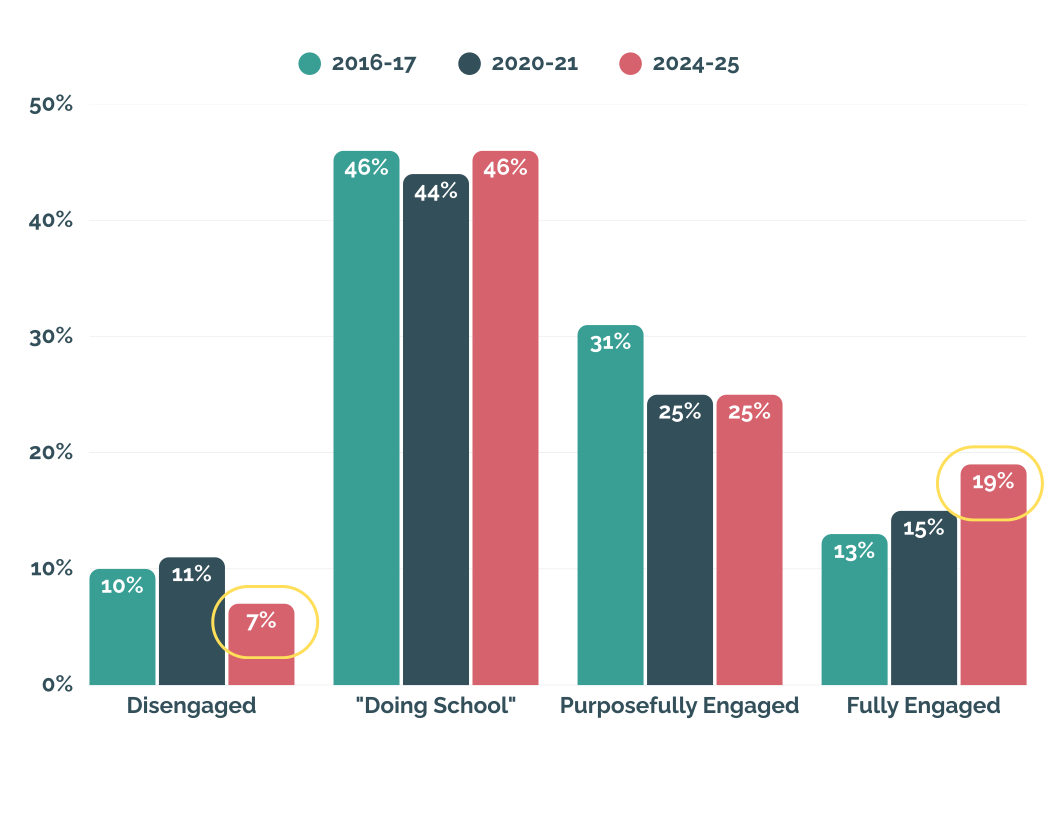
Increased Engagement
Students who are fully engaged increased from 15% in 2016-17 to 19% in 2024-25, and students who are disengaged decreased from 11% to 7% over the same time period.
Increased Academic Integrity
Students reporting academically dishonest behavior in the past month decreased from 86% in 2016-17 to 65% in 2024-25.
Note: We did not test for statistical significance when measuring change over time.
Lasting Impact
CCHS’s commitment to ongoing improvement reflects what the Challenge Success Change Process is designed to support: not a one-time fix, but a sustained, data-informed journey. Based on 2024 CCHS survey data, four priority areas will guide their work going forward: Equity & Belonging, Engagement, Academic Integrity, and Communications.
As they continue advancing their efforts, CCHS is committed to:
Within these priority areas, CCHS has already implemented several recent changes including (1) establishing a policy limiting the maximum number of AP Classes for students by grade level; (2) regularly convening CCHS affinity group leaders/ members to encourage greater collaboration and deeper understanding among different groups; (3) creating a CCHS Community Cookbook celebrating the diversity of backgrounds and cultures in the school community; and (4) launching a “Be Kind” Campaign to foster connections and belonging among students.
Throughout all of these change efforts, CCHS has also focused on improving the daily experience of faculty/ staff by continuing to facilitate Faculty Forums as well as convening a task force to identify strategies for improving faculty/ staff well-being. Each year, CCHS renews its commitment to listening to community voices and creating a school environment where all members can thrive and flourish!
“What I love about working with CCHS is that they’ve never treated this as a box to check. From the very beginning, the leadership was genuinely curious about what students were experiencing and willing to sit with uncomfortable data. Over the years, I’ve watched that curiosity turn into real structural change: a redesigned schedule, coordinated homework policies, new ways of listening to students who hadn’t always felt heard. The equity work has been especially meaningful. When survey data revealed that students from different backgrounds were having very different experiences of the same school, CCHS didn’t look away. That kind of institutional honesty is rare, and it’s why the data keeps moving in the right direction.”