
How Kalamazoo Area Mathematics + Science CENTER IncreaseD Student WEll-Being, Engagement, and belonging
As a School Partner for the 2023-24, 2024-25, and 2025-26 school years, Kalamazoo Area Mathematics and Science Center (KAMSC) moved through the Challenge Success School Change Process to achieve increased well-being, engagement, and belonging for their engaged community of high school students.
The KAMSC staff and administration sought out Challenge Success due to concerns regarding student well-being and school culture. Their hope for students was to help them lead supported, balanced lives in a rigorous academic environment.
An important first step for every school in the partnership is to intentionally form their 10-person change team that meets with the Challenge Success Coach five times throughout the school year. Because the Challenge Success Change Process prioritizes the voice and perspective of students and actively includes multiple perspectives, cultures, and identities, all teams must include at least two students in addition to school staff and parents/caregivers. KAMSC’s team included
- 4 students
- 1 parents
- 2 teachers
- Student Advocate/Research Director
- School Director
- School Counselor
Center the Student Experience
KAMSC’s fall 2023 student survey was crucial in helping the team to gain a deep understanding of student well-being, engagement, and belonging.
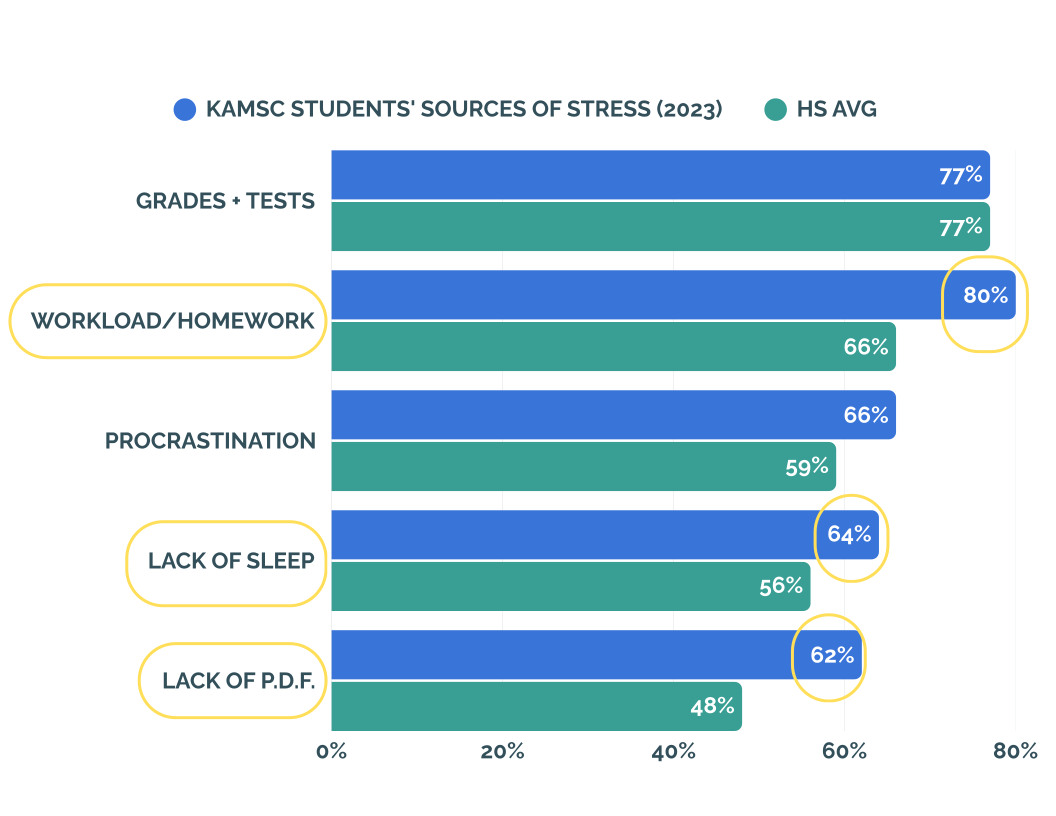
The team examined their data, which revealed many bright spots as well as areas for growth:

Define an Improvement Aim
With support from their Challenge Success Coach, the team unpacked the student experience to better understand the underlying root causes of the survey findings. By the end of Phase 1, the team developed new skills, perspectives, and knowledge, and was ready to create a clear aim for improvement.
The school decided to create a four-year improvement plan to hold themselves accountable and to be careful not to only implement strategies once, but to continue to implement and build on them over time. As part of this plan, the school director shares this plan with the assistant superintendent on an annual basis, and uses it as a holistic guiding document for school improvement.
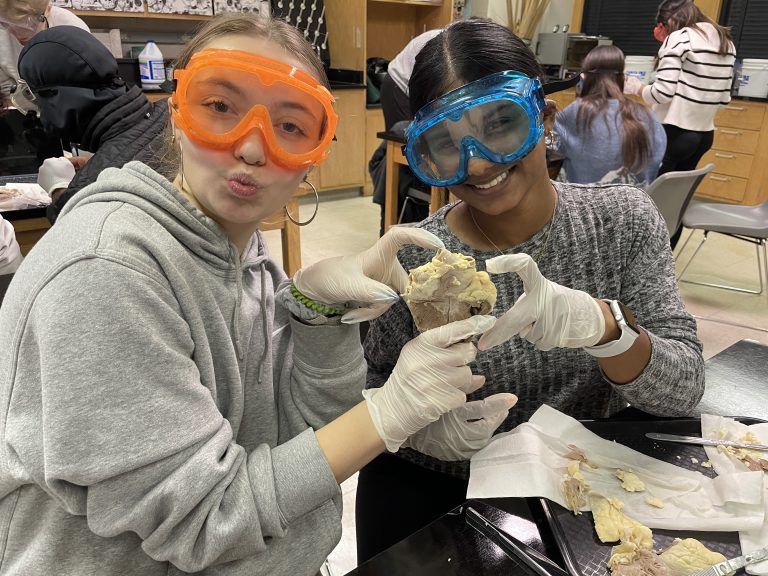
KAMSC’s 2024-2028 Goal & Guiding Questions
By June 2028, KAMSC will use student voice and research-based strategies to improve student well-being, engagement, and belonging as measured by the Challenge Success survey and implementation observation data.
- Well-Being: How might we decrease student time on work to be more friendly to sleep, extracurriculars, and time with family and friends…while not sacrificing learning?
- Engagement: How might we ensure reported agentic engagement (student agency) is higher for all students interacting with every adult at KAMSC?
- Belonging: How might we lower experiences of discrimination, exclusion or bullying reported in our community?
In Phase 2, the team is charged with co-designing change ideas with specific goals aligned with their vision. This process involves brainstorming, creative ideation, consulting with their coach, using practices from the SPACE Framework for School Change™, and collaborating to create an action plan. Teams then put the plan into action by implementing change ideas, monitoring and assessing the progress as they move through Cycles of Inquiry. In KAMSC’s case, they started Phase 2 at the beginning of their second year of the School Partnership (2024-25) and continued it throughout the 2025-26 school year.
Design + Test Change Ideas
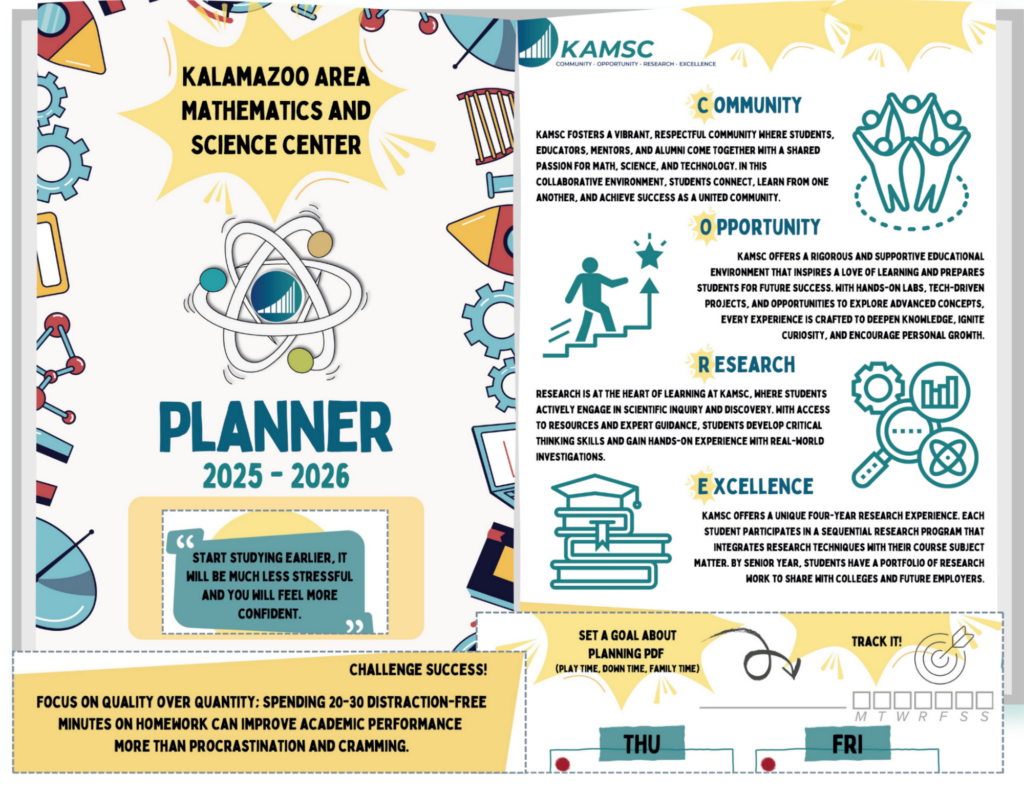
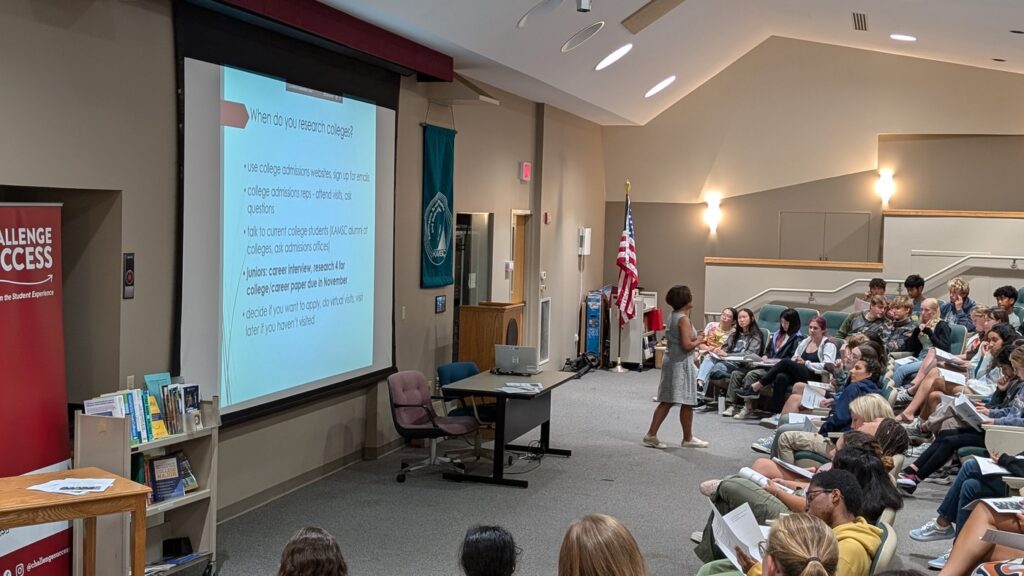
“Last year, they were really focusing on supportive use of time and helping students with time management, and out of that came the planner. They made the decision to only use it with underclassmen, which actually caused quite a stir, because once the upperclassmen saw the planner, they all wanted it as well. We’re in a school that’s highly competitive, where students want to do well and go to these colleges, so helping them find balance is so important. We’re seeing that students are being positively impacted.”
Reflect on Progress
At the end of the 2025–26 school year, the team conducted the Challenge Success-Stanford Survey of Student Experiences to assess the progress on their goals.
Measurable Improvements in Student Well-Being from Fall 2023 to Spring 2026
Students reporting high academic worry decreased from 65% in 2023 to 58% in 2026; Students reporting that overall workload and homework are a major source of stress decreased from 80% in 2023 to 64% in 2026. Students reporting that they often or always feel stressed by their homework decreased from 76% in 2023 to 70% in 2026.

Measurable Improvements in Student Engagement from Fall 2023 to Spring 2026
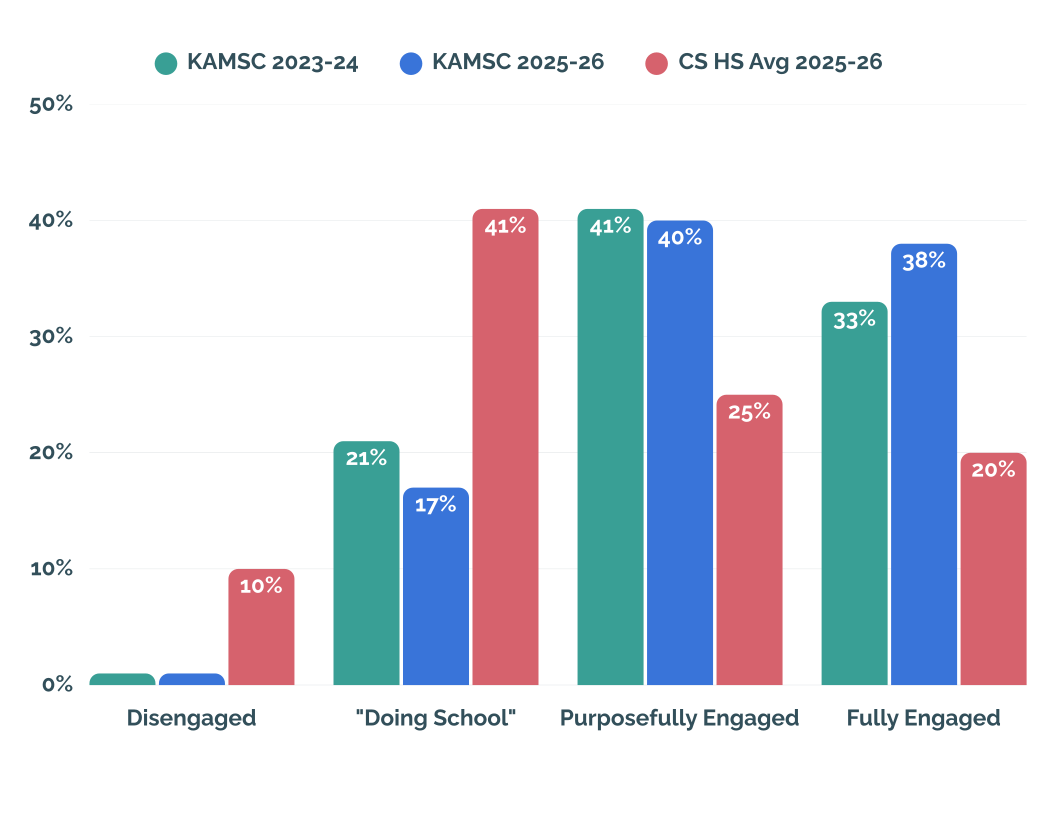
Students reporting high levels of agency increased from 32% in 2023 to 36% in 2026; Students who are fully engaged increased from 33% in 2023 to 38% in 2026; Students who are “Doing School” decreased from 21% in 2023 to 17% in 2026.
Measurable Improvements in Student Belonging from Fall 2023 to Spring 2026
Students reporting high levels of belonging increased from 67% in 2023 to 70% in 2026.
Students who have a trusted adult on campus increased from 84% in 2023 to 89% in 2026.
Note: We did not test for statistical significance when measuring change over time.
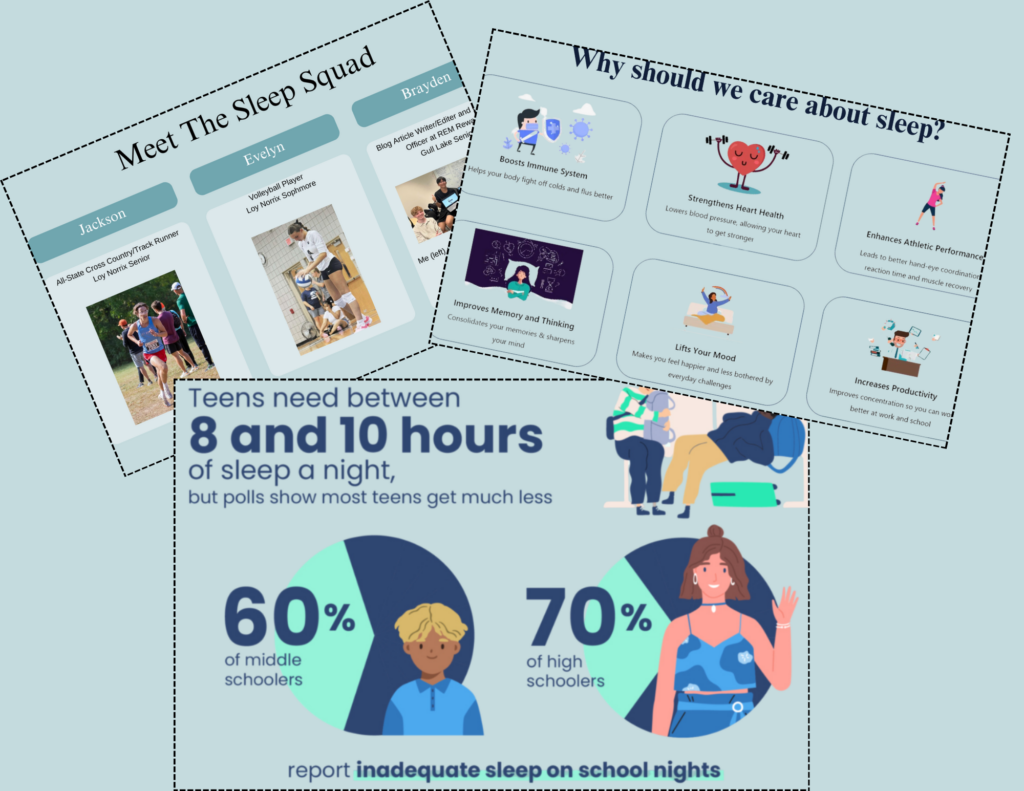
While the KAMSC team is encouraged by progress in well-being, engagement, and belonging, that doesn’t mean the work is “done”. The work they have done has put them on the right track to deepening engagement, increasing well-being, and enhancing belonging. At the same time, they have learned that changing students’ sleep habits is difficult and are committed to continuing to test out new change ideas to increase sleep.
“A lot of the work happening at KAMSC is very much student-driven. Students on the team are starting to think about legacy. They’ve been on the team for three years now and are asking, ‘What do we want to leave behind for younger students to help them be successful?’ They’re talking about things they wish they had known their freshman year, really filling in those blind spots that adults aren’t able to see. It is a beautiful thing to see, and I absolutely love working with them.”
They have also noticed a significant shift in their school culture. As KAMSC teacher Katelyn McCarthy put it, “Prior to Challenge Success I would kind of classify the KAMSC culture as competitive rather than collaborative. Being a student of this program 20 years ago and now being a teacher today I am really excited to see that generational shift and focus away from the competition aspect towards more collaboration.”
The KAMSC team will continue to work towards the goals set in their four-year plan, building year by year on their progress and refining their approach as they go. Like many schools, KAMSC has renewed their partnership and will continue to work with Challenge Success in the 2026-27 school year.