
How Pinewood School Approached Well-Being and Engagement for Upper School Students
Pinewood School’s Upper Campus has partnered with Challenge Success for three years. Building on survey data and ongoing leadership consultation, the school has engaged in meaningful work around student well-being, engagement, belonging, grading reform, leadership development, and parent education. A hallmark of the partnership has been Pinewood’s commitment to centering student voice, using student feedback and survey findings to inform school improvement efforts and ensure that decisions are grounded in the lived experiences of students.
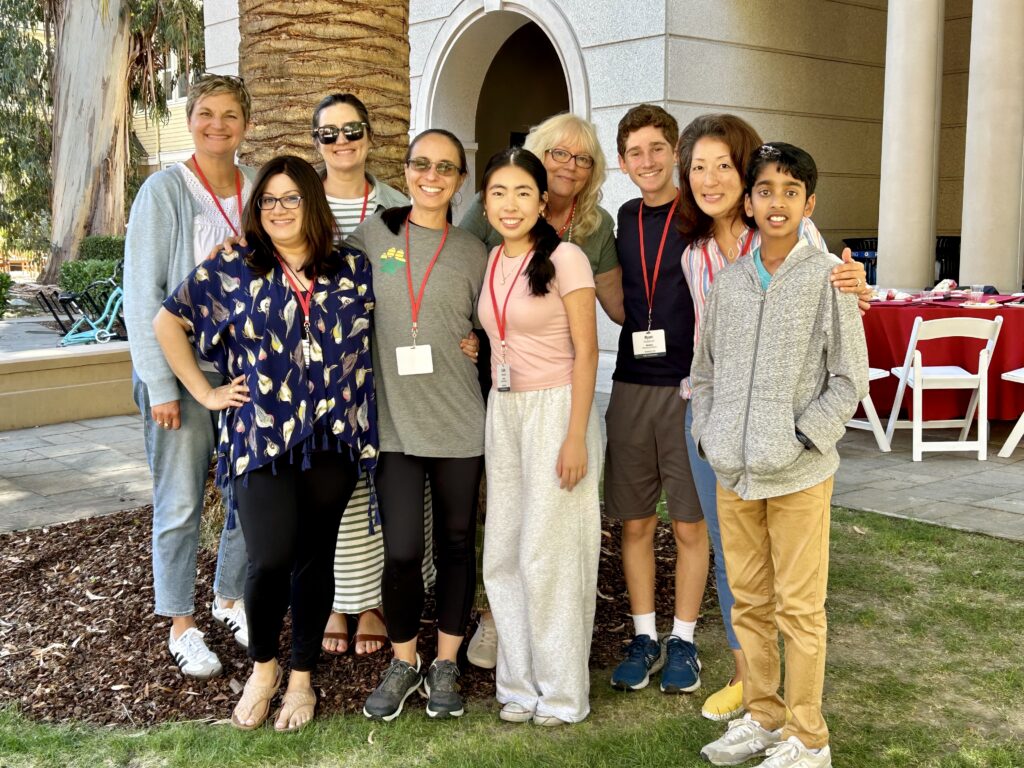
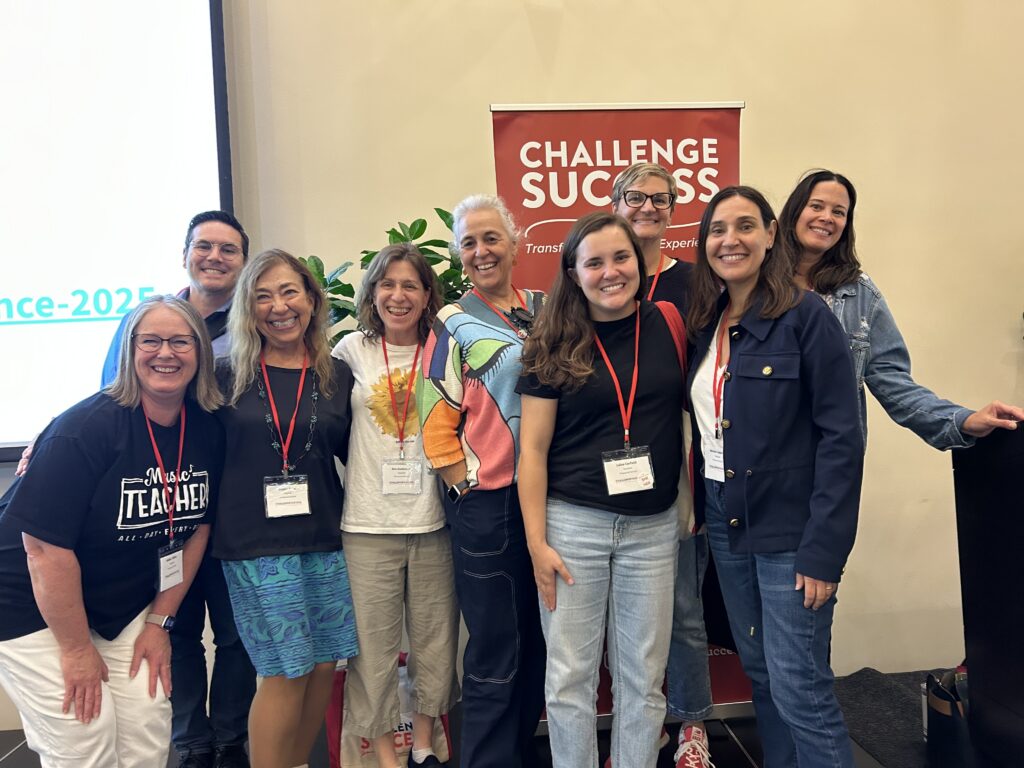
An important first step for every school in the partnership is to intentionally form their 10-person change team that meets with the Challenge Success Coach five times throughout the school year. Because the Challenge Success Change Process prioritizes the voice and perspective of students and actively includes multiple perspectives, cultures, and identities, all teams must include at least two students in addition to school staff and parents/caregivers. Pinewood’s team included:
- 3 Students
- 2 Administrators
- 2 Parents
- 3 Teachers
Pinewood School partnered with Challenge Success to gain a deeper understanding of the student experience and address growing concerns related to student stress, engagement, and assessment practices. Through survey data, student voice initiatives, and collaboration with students, families, faculty, and school leaders, the partnership has helped Pinewood identify opportunities to strengthen well-being, promote meaningful engagement, and foster a climate of care where students feel known, valued, and supported.
Center the Student Experience
Pinewood School’s Upper Campus student survey, alongside the school’s own observations and anecdotal data, revealed many strengths, including a strong sense of school culture and positive student-teacher relationships. At the same time, the data highlighted opportunities to deepen student engagement and reduce stress related to assessments and workload.
To better understand the student experience beyond the survey data, the school engaged the community in several Listening In Protocols, including Dialogue Night and an “I Wish” Campaign, to better understand the school experience. The team examined their data and compared it to Challenge Success national averages, uncovering many bright spots as well as key areas for growth, helping to inform future priorities and action planning.
Define an Improvement Aim
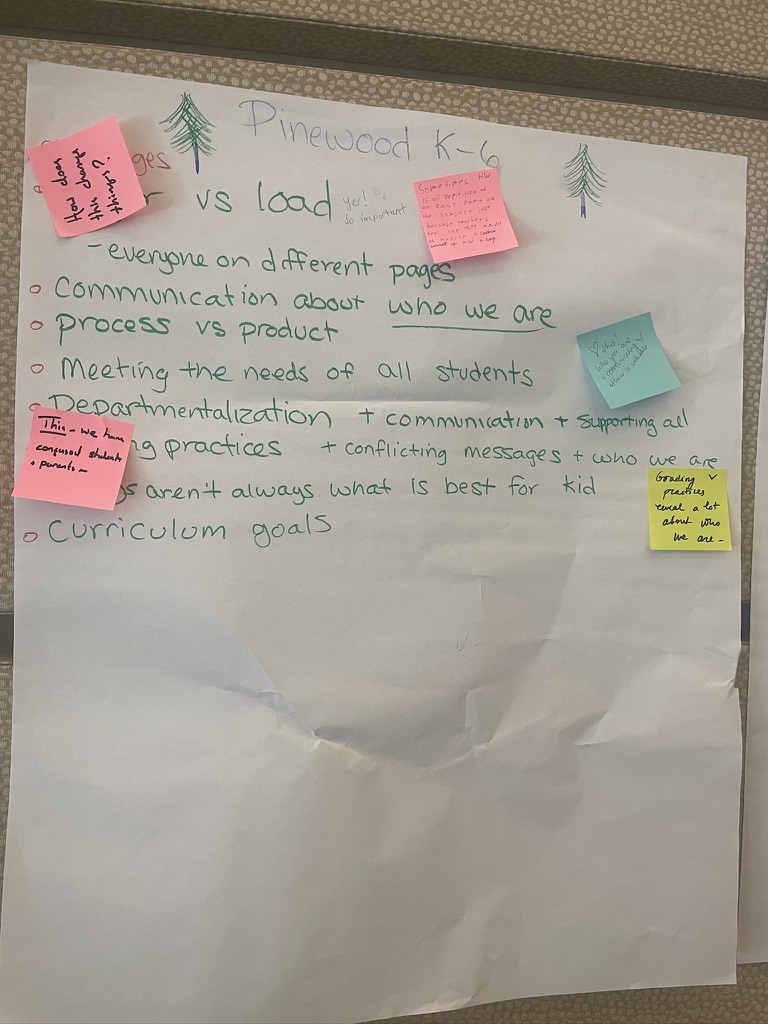
With support from their Challenge Success Coach, the team unpacked the student experience to better understand the underlying root causes of the survey findings. By the end of Phase 1, the team had developed new skills, perspectives, and knowledge, and was ready to create a clear aim for improvement.
Their aim was to develop a more balanced testing schedule and proactively plan for the future, drawing on Challenge Success research and expertise to inform more equitable and aligned assessment approaches. Leadership also recognized the ongoing need for faculty professional development to apply new strategies to promote engagement in learning.
In Phase 2, the team is charged with co-designing change ideas with specific goals aligned with their vision. This process involves brainstorming, creative ideation, consulting with their coach, using practices from the SPACE Framework for School Change, and collaborating to create an action plan. Teams then put the plan into action by implementing change ideas, monitoring and assessing the progress as they move through Cycles of Inquiry.
Design + Test Change Ideas
After team discussions around which strategies would have the most impact and the ease of implementation as well as incorporating input from teachers and school leaders, they landed on the following change areas:


Reflect on Progress
The following reflections were gathered from the team at the end of the 2024-25 year:
I think that the most valuable part of the experience was being able to make an impact on my school in a positive way. It also helped me see the issues other students are facing, and allowed me to think about how to help there as well.
I have loved working with an outside organization to get perspective on issues that similar schools face, and I also learn a lot by listening to the opinions and lived experiences of other constituents at my school besides teachers (parents, students).
I have appreciated being able to work together as a team to move forward some initiatives that the school has been struggling with for years. We have made real progress. I really appreciate the cooperative nature of the work, and the research-based approach to strategies for working with students and creating a healthy environment.
For the 2026–27 school year, Pinewood will continue its partnership with Challenge Success through ongoing leadership consultation, faculty professional learning, and parent education. Building on the progress made over the past three years, the school will focus on strengthening engagement, deepening alignment around grading and assessment practices, and continuing to use student voice to inform decision-making. This work will continue to be intentionally integrated across the Lower, Middle, and Upper School campuses, fostering a cohesive approach to supporting students throughout their educational journey.
Through regular collaboration with school leaders, workshops for faculty and families, and continued examination of survey data and emerging research, Pinewood aims to further cultivate a learning environment that promotes academic excellence, student well-being, meaningful engagement, and a strong sense of belonging.